
Your material remains yours and stays private to your enquiry.We will not publish or use your images, story or idea in a portfolio, social media or promotion without separate clear approval. See our privacy notice.

Show us what you have.
Tell us where it began.
Show us an idea, object, photograph or memory and tell us what matters about it. We'll explore the possibilities with you, ask the useful questions and shape a clear route before anything is agreed.
Every Collaborator Corner project is scoped and quoted individually.
Show us your starting pointOnly share material you are entitled to share.Do not send unlawful, sexually explicit or non-consensual intimate material. Suspected criminal or safeguarding material may be preserved and reported to the police or another appropriate authority.
Eleven examples. Not eleven limits.
See how we could help you make something different.
Choose the example closest to what you have. Each one shows a simple first step and a more distinctive direction, without forcing your idea into a fixed category.
01
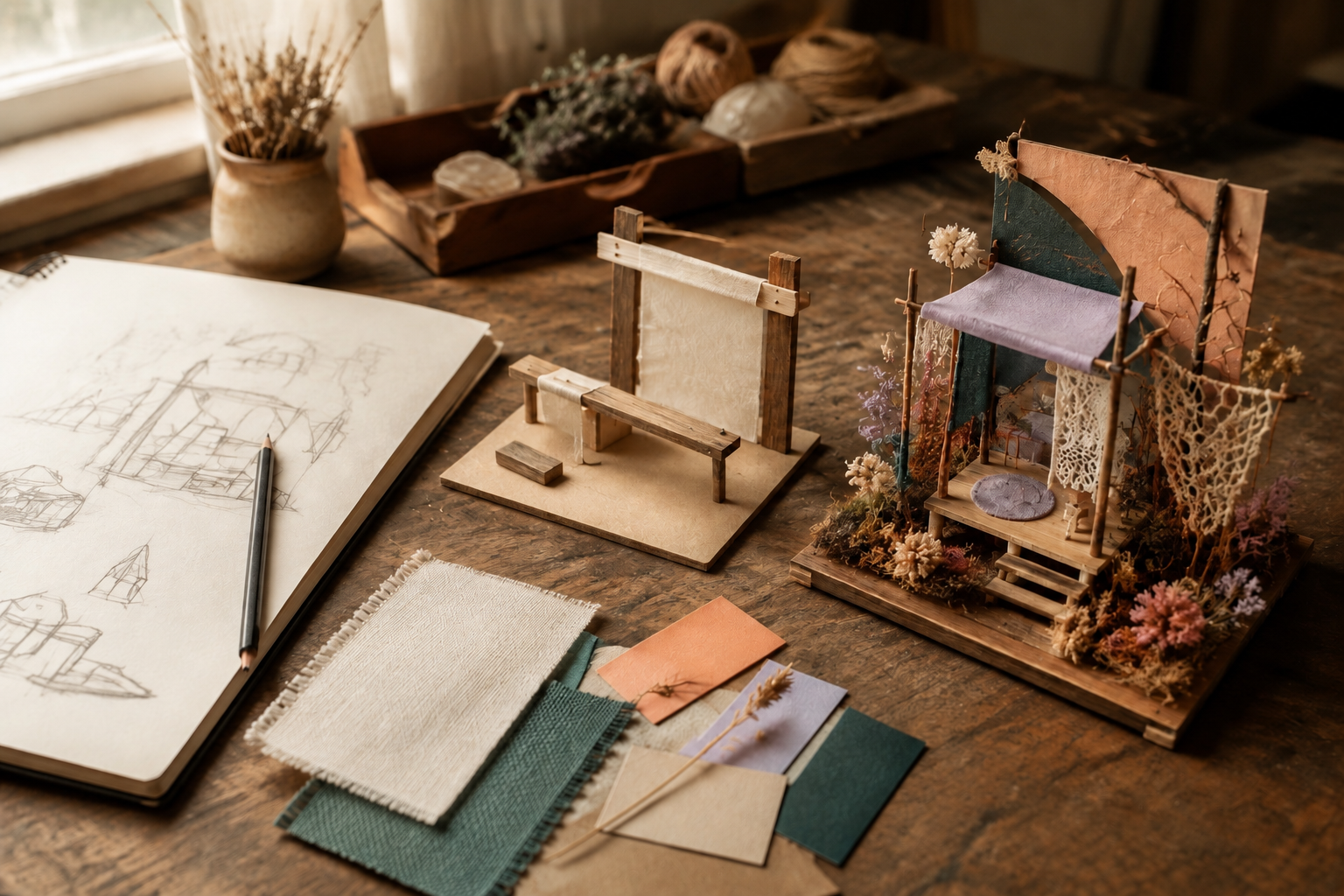
An idea
You might show us: A rough thought, sketch, reference or half-formed possibility.
Keep it simple: Clarify it, sketch the direction and make one useful item.
Take it further: Develop a joined-up concept that combines materials, storytelling, presentation and several Second Story Studio skills.
02
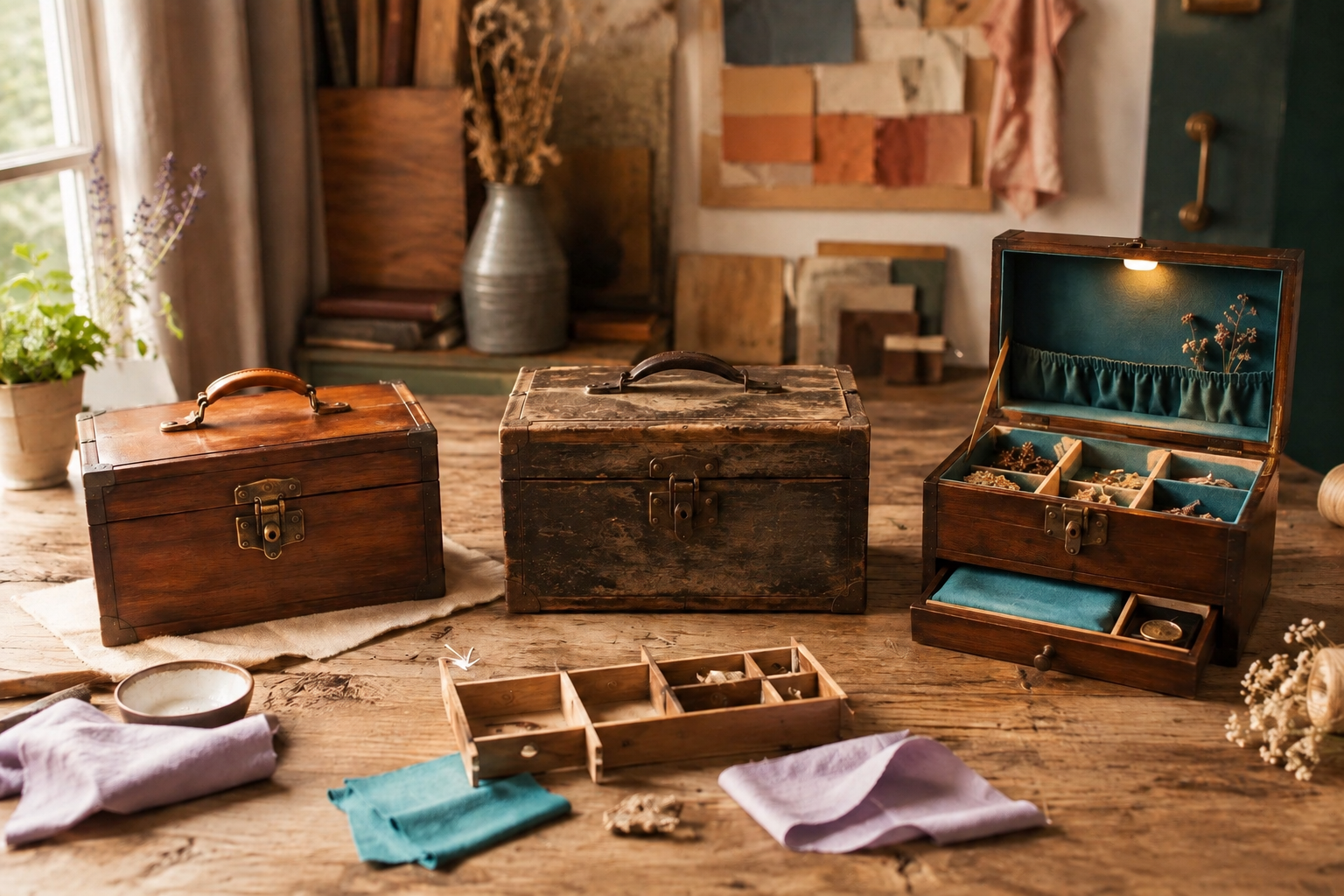
An object
You might show us: Something overlooked, damaged, dated or simply ready for a different purpose.
Keep it simple: Clean, repair or refresh what is already useful and worth keeping.
Take it further: Rework its purpose with new storage, personal detail, fabric, lighting or display elements where appropriate.
03
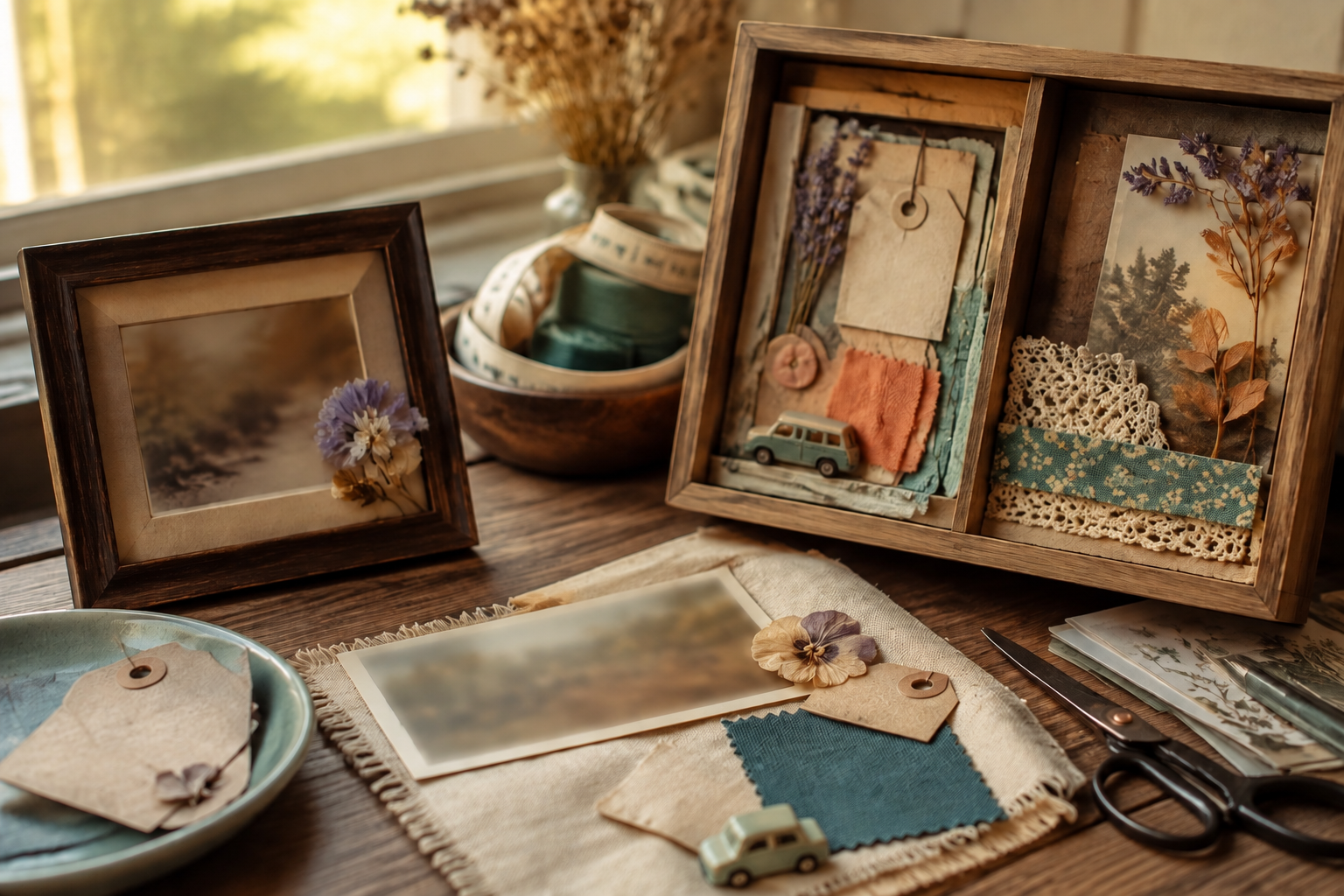
A memory
You might show us: A person, place, event, journey or small detail that matters to you.
Keep it simple: Give one photograph, flower, fabric piece or meaningful detail a considered place.
Take it further: Build a layered story display that connects several objects and materials without losing the meaning behind them.
04
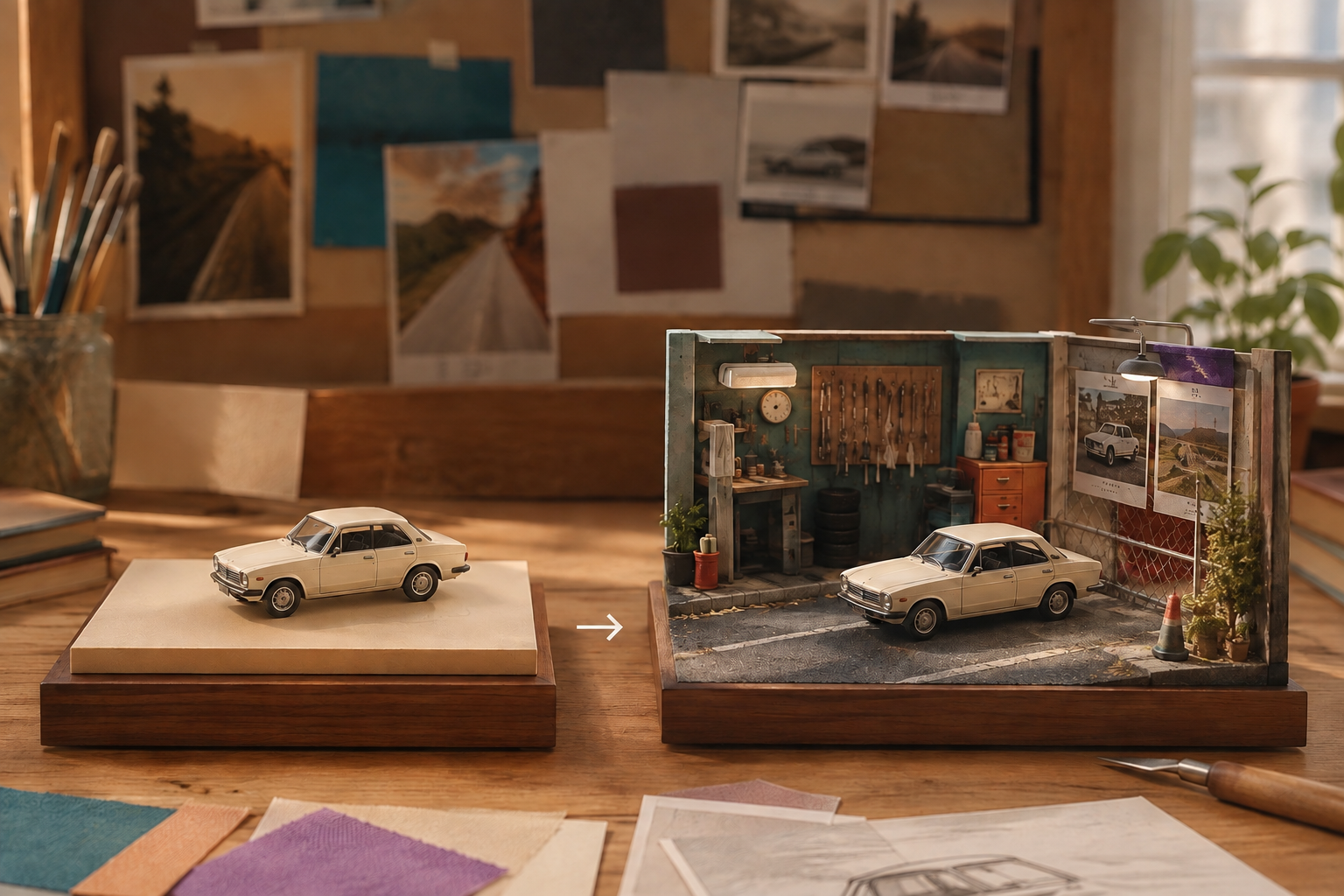
A car
You might show us: A favourite road car, race car, restoration, family vehicle or automotive moment.
Keep it simple: Present a carefully chosen 1:64 model on a clean personalised display.
Take it further: Create a deeper Mini World around the garage, road, event, people and details that make the vehicle part of your story.
05
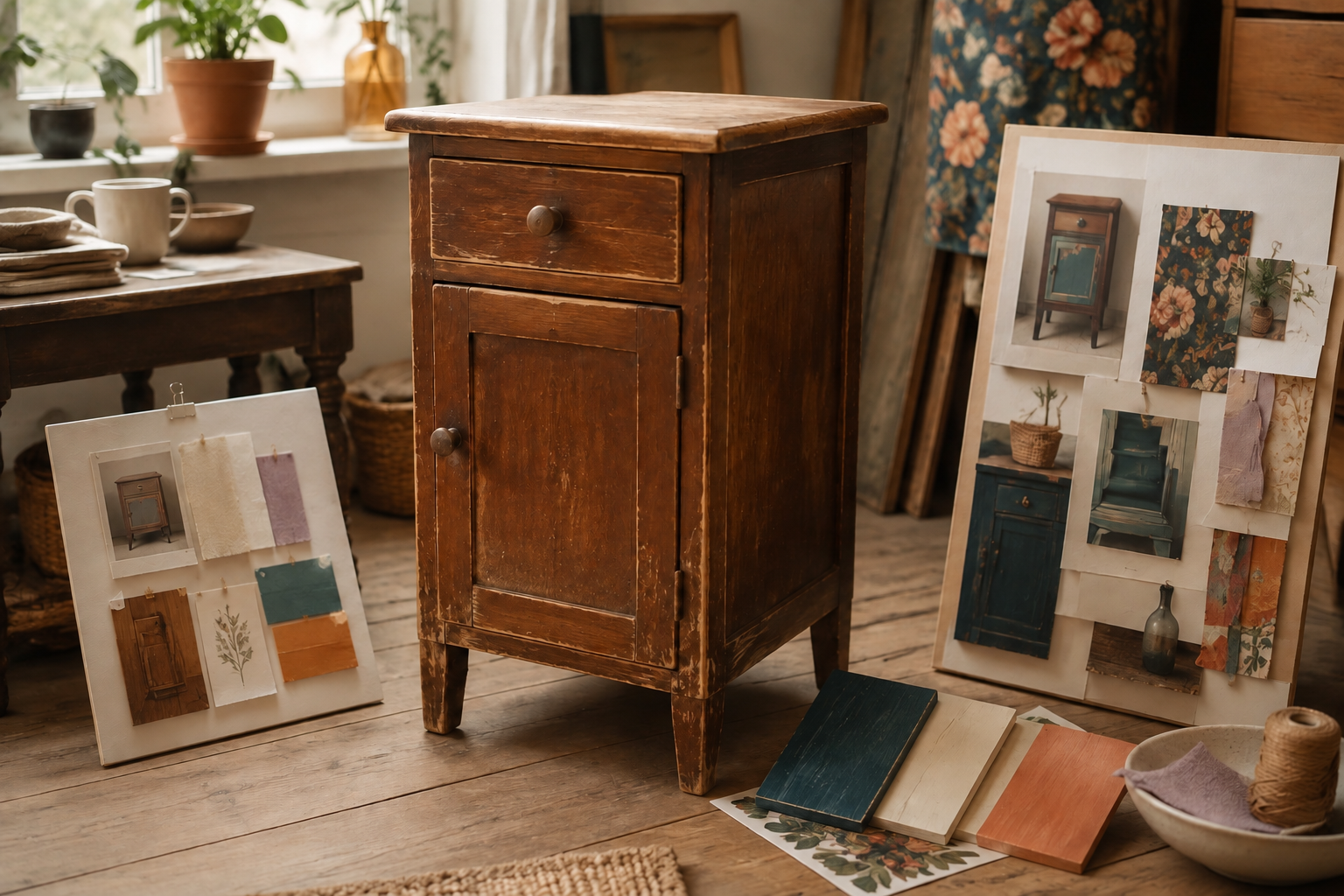
A piece of furniture
You might show us: A chest, table, chair or other piece that still has useful life or personal meaning.
Keep it simple: Retain its character with a careful clean, repair or restrained finish change.
Take it further: Reimagine colour, detail, storage or purpose while respecting the original piece and how it needs to work.
06
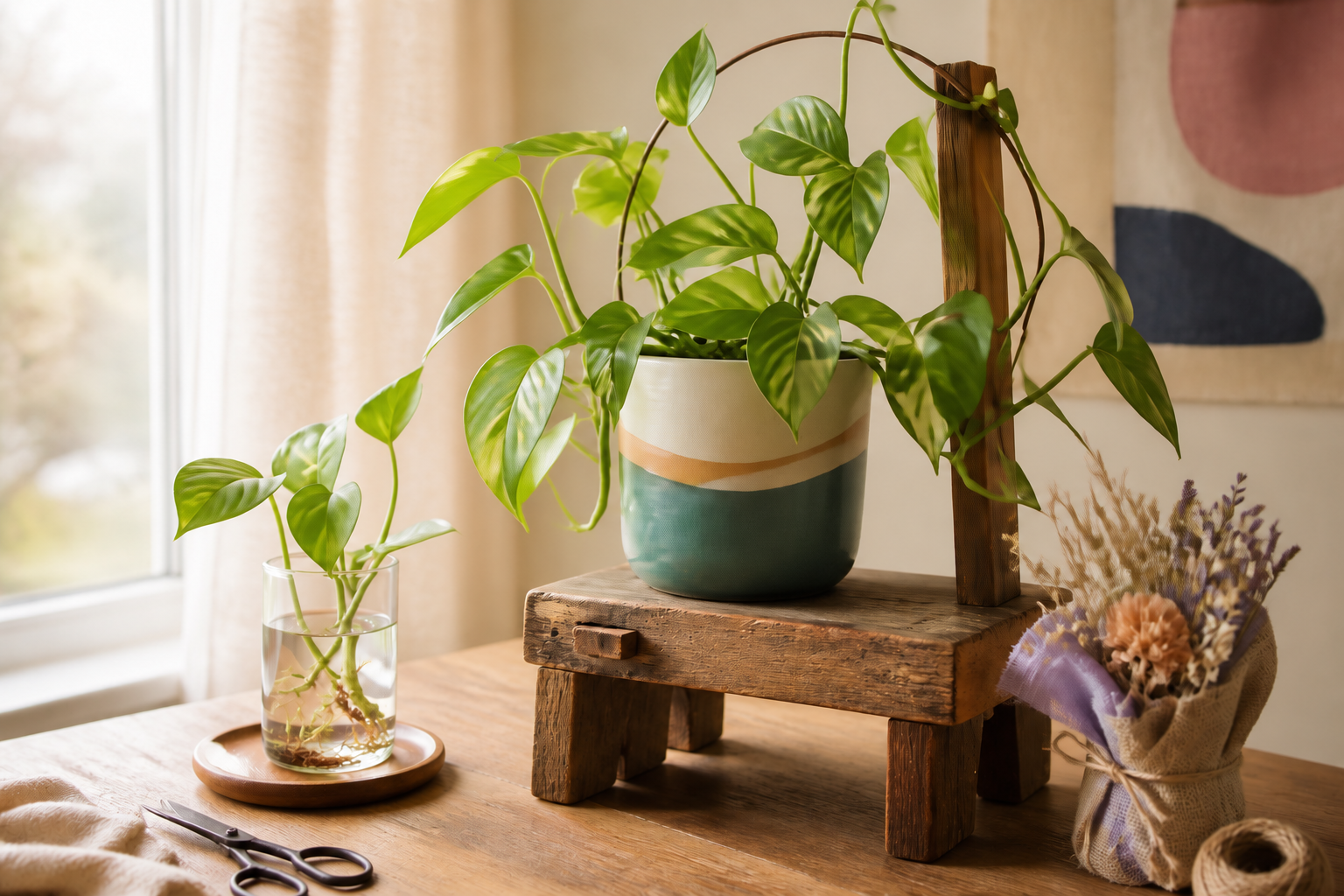
A plant
You might show us: A cutting, a struggling houseplant, an established favourite or a growing idea for a gift.
Keep it simple: Propagate, repot or present it in a way that supports healthy growth.
Take it further: Combine the plant with a handmade pot, reclaimed stand, growing support or thoughtful gift presentation.
07
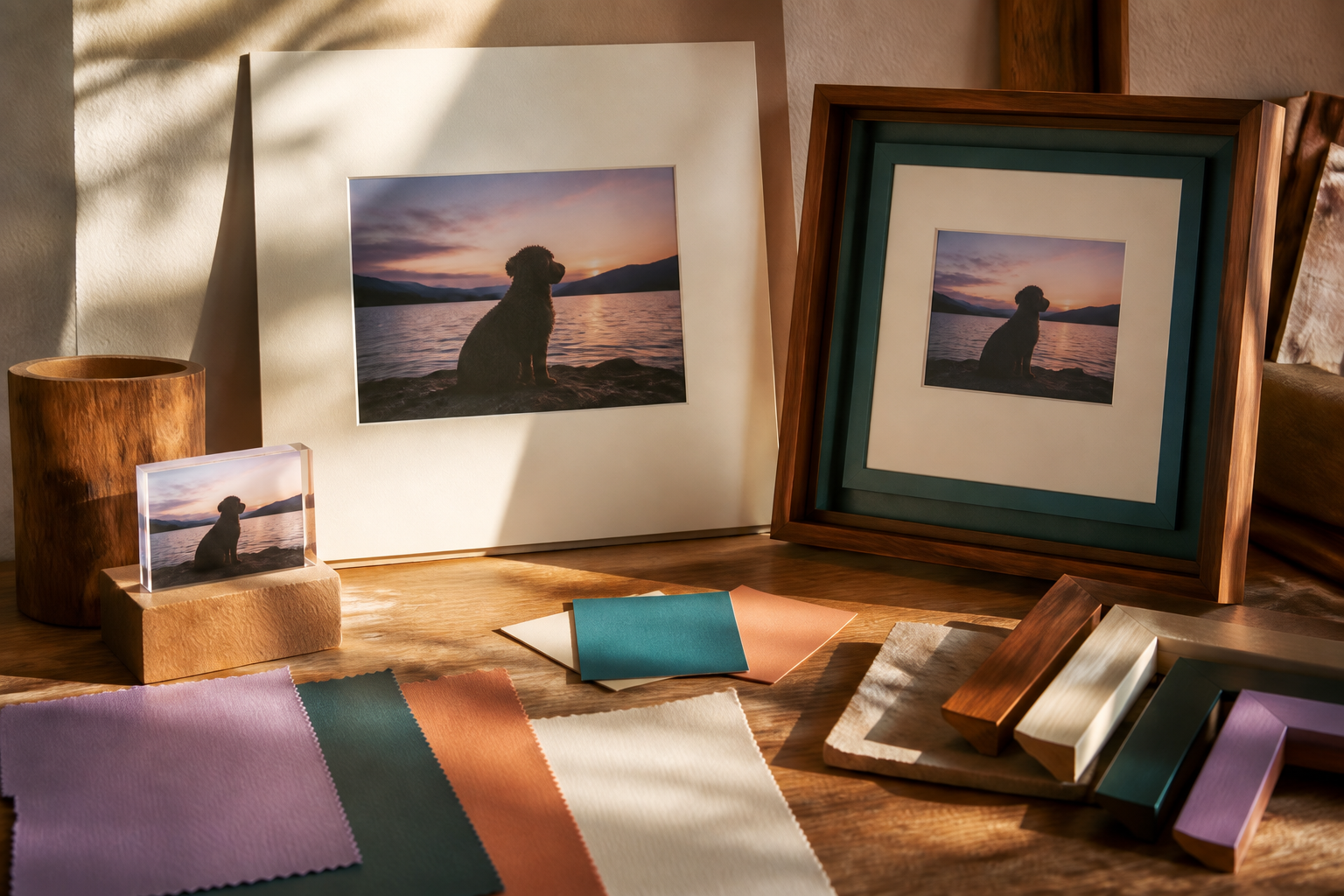
A photograph
You might show us: A meaningful image, family moment, pet, place or visual reference.
Keep it simple: Crop, size and present it as a well-considered print or framed image.
Take it further: Use its subject, colours or atmosphere to shape a layered frame, personalised object or coordinated group of pieces.
08
A business
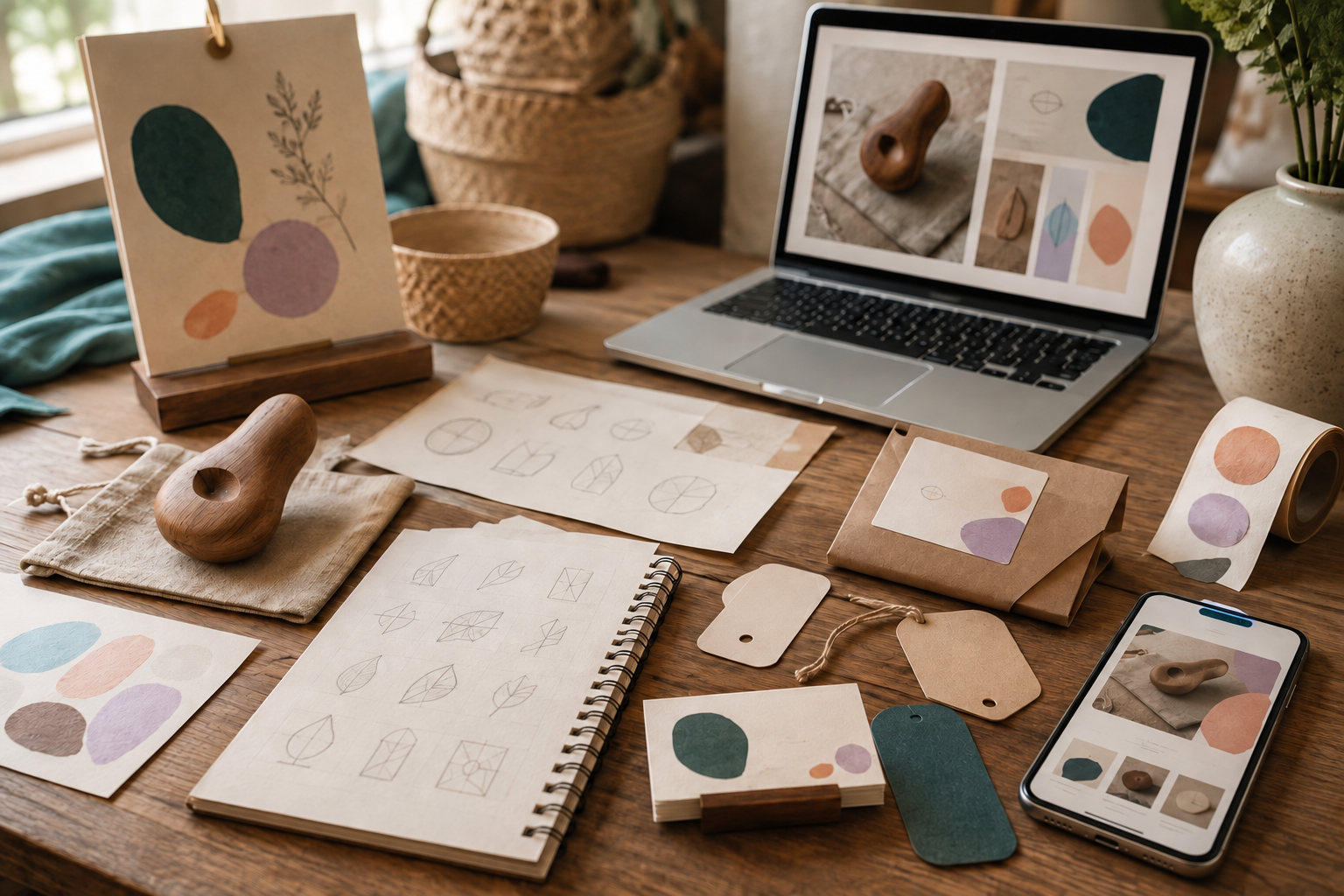
You might show us: A new venture, existing identity, service, message or collection that needs clearer presentation.
Keep it simple: Solve one clear need such as a presentation, leaflet, visual plan or focused web page.
Take it further: Connect identity, print, presentations, project material, products and a website into one recognisable system.
09
Something else entirely
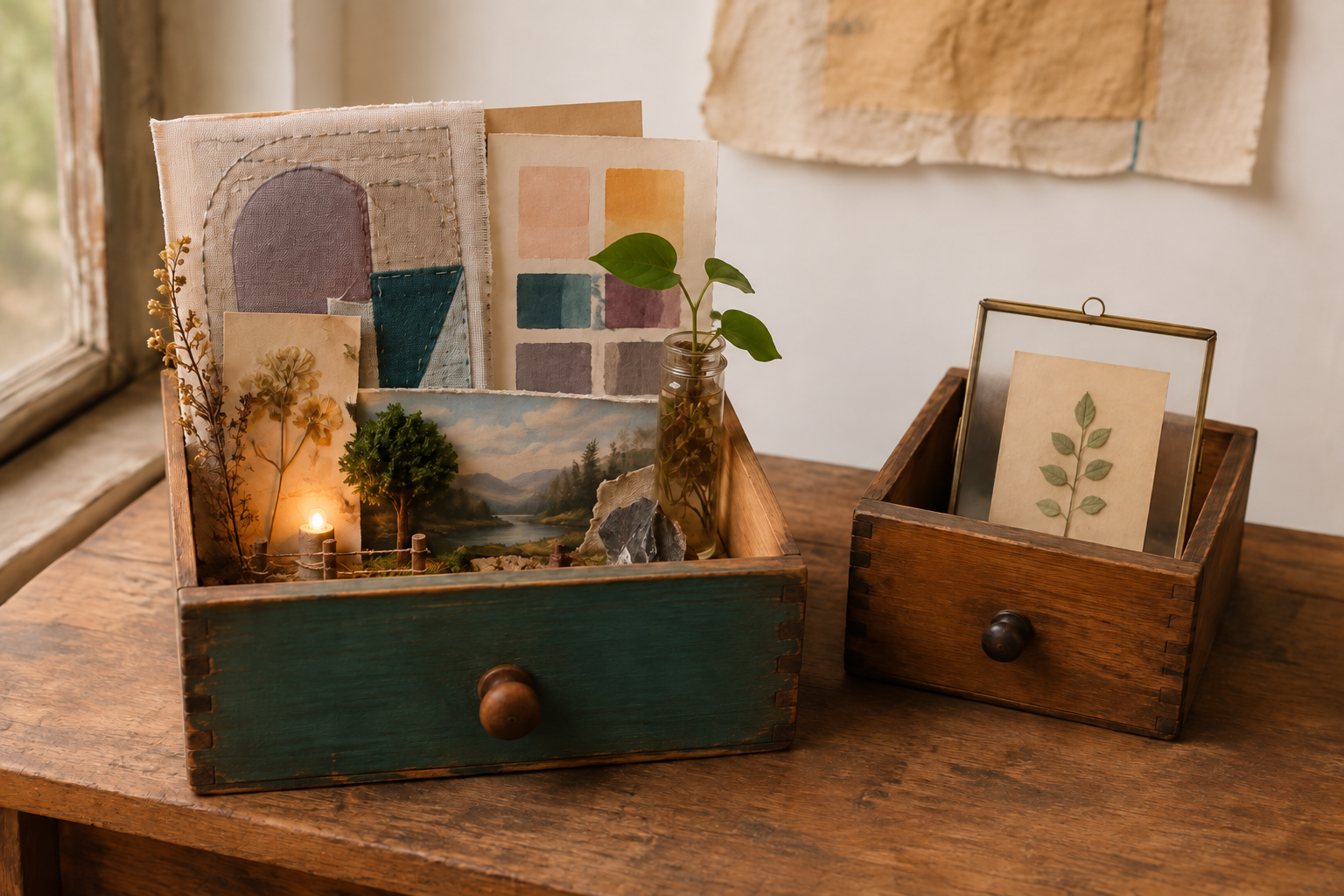
You might show us: The unusual brief that does not sit neatly in a category — but feels as though it belongs at Second Story Studio.
Keep it simple: Find one practical, honest way to make the starting point useful or meaningful.
Take it further: Combine disciplines—perhaps an object, miniature scene, textile, plant, print and light—when the idea genuinely benefits from it.

10
Plans, layouts & presentations
You might show us: Information, measurements, a proposal, an existing plan or a presentation that needs a clearer structure.
Keep it simple: Organise what you already have into one clear layout, drawing, diagram or professional slide deck.
Take it further: Connect plans, options, phasing, imagery and written narrative into a reusable project or presentation pack.
11
Concept images & video
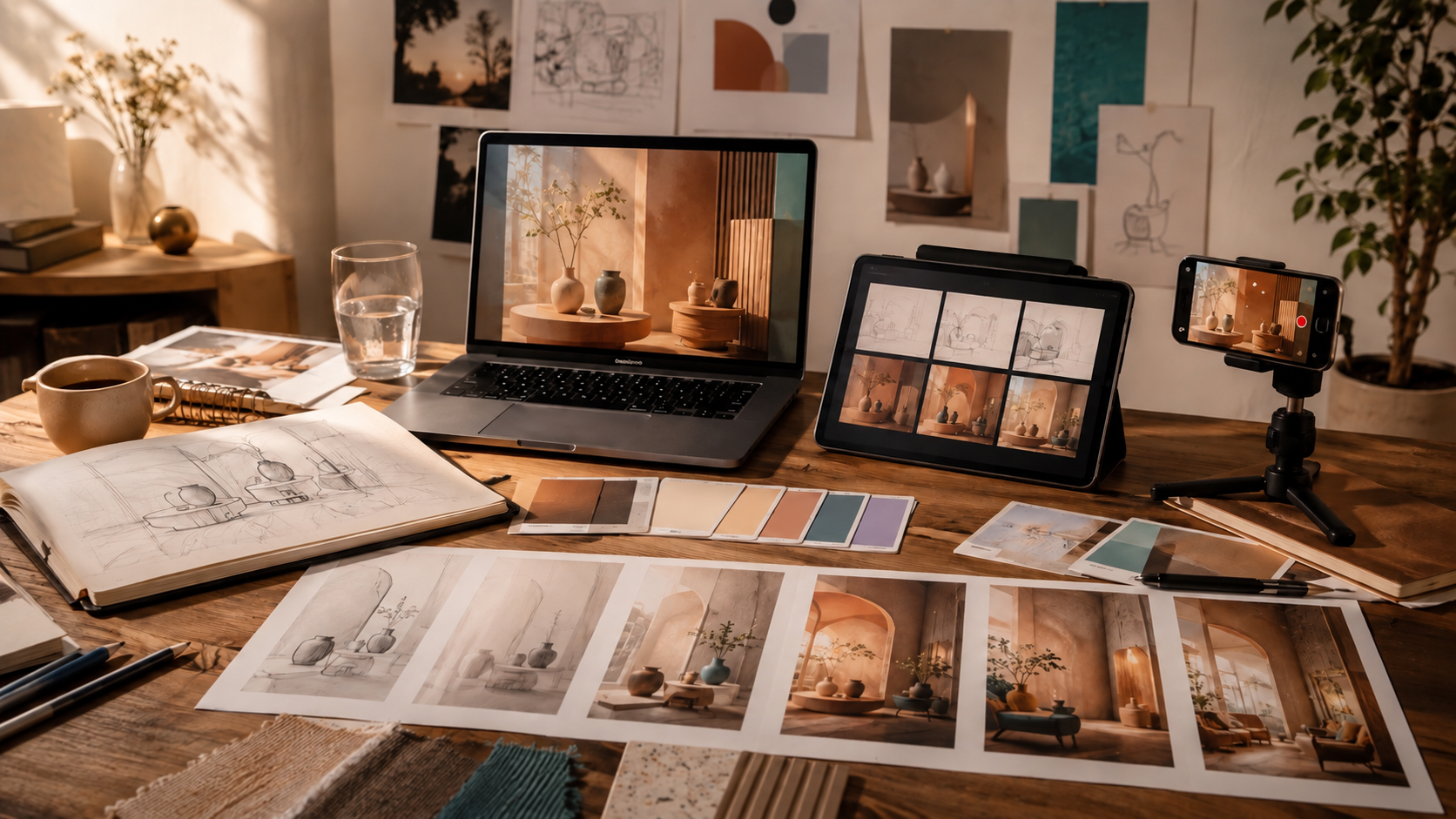
You might show us: A description, sketch, photograph or reference for an idea you want to see before it is made.
Keep it simple: Create one clear concept image or visual mock-up to make the proposed direction easier to understand.
Take it further: Develop alternatives, viewpoints, materials, storyboards or a short-form video direction to explore the idea in more depth.
Endless combinations
There is no final box to fit into.
The eleven examples are prompts, not the edge of Second Story Studio's creativity. A collaboration may sit within one skill, bring several together or lead somewhere neither side expected at the start. The useful limits are feasibility, safety, available skills, materials, time and an agreed budget—not a fixed list of ideas.
Real collaborations
Discover → Design → Make
These published collaboration examples show the difference between what a collaborator shows us and what can be developed together. Each source image and Studio-developed outcome is identified clearly.
Sue's story · One memory, different directions
One original photograph became two very different stories.
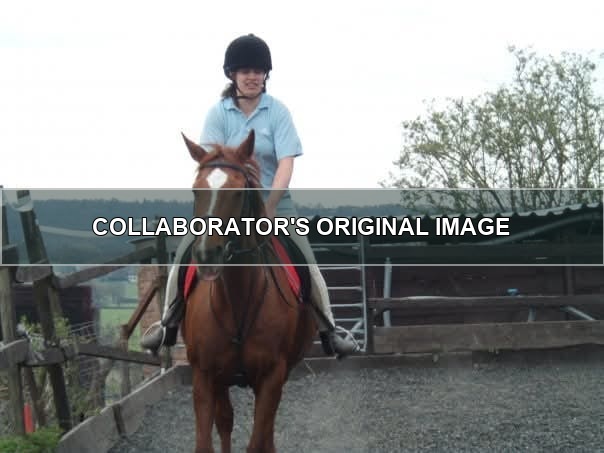
Sue brought a personal riding photograph and the memory behind it. Instead of settling on one answer, the collaboration explored two distinct directions: a warm countryside story shared by mother and daughter, and an ambitious sporting-event fantasy.
Each direction was developed first as a still image and then as a short animation. Together, they show how Second Story Studio can explore different moods and possibilities from the same starting point without presenting a creative interpretation as fact.


Sporting-event concept boundary: the event still and animation are fictional creative interpretations using recognisable event and team references contained in the supplied material. They do not show Sue at a real event and do not imply selection, achievement, endorsement or affiliation with Team GB, London 2012 or the Olympic movement. Commercial or promotional use involving protected branding would require separate rights clearance.
Read Sue's full case studyLouise's flower · Bringing a photograph to life
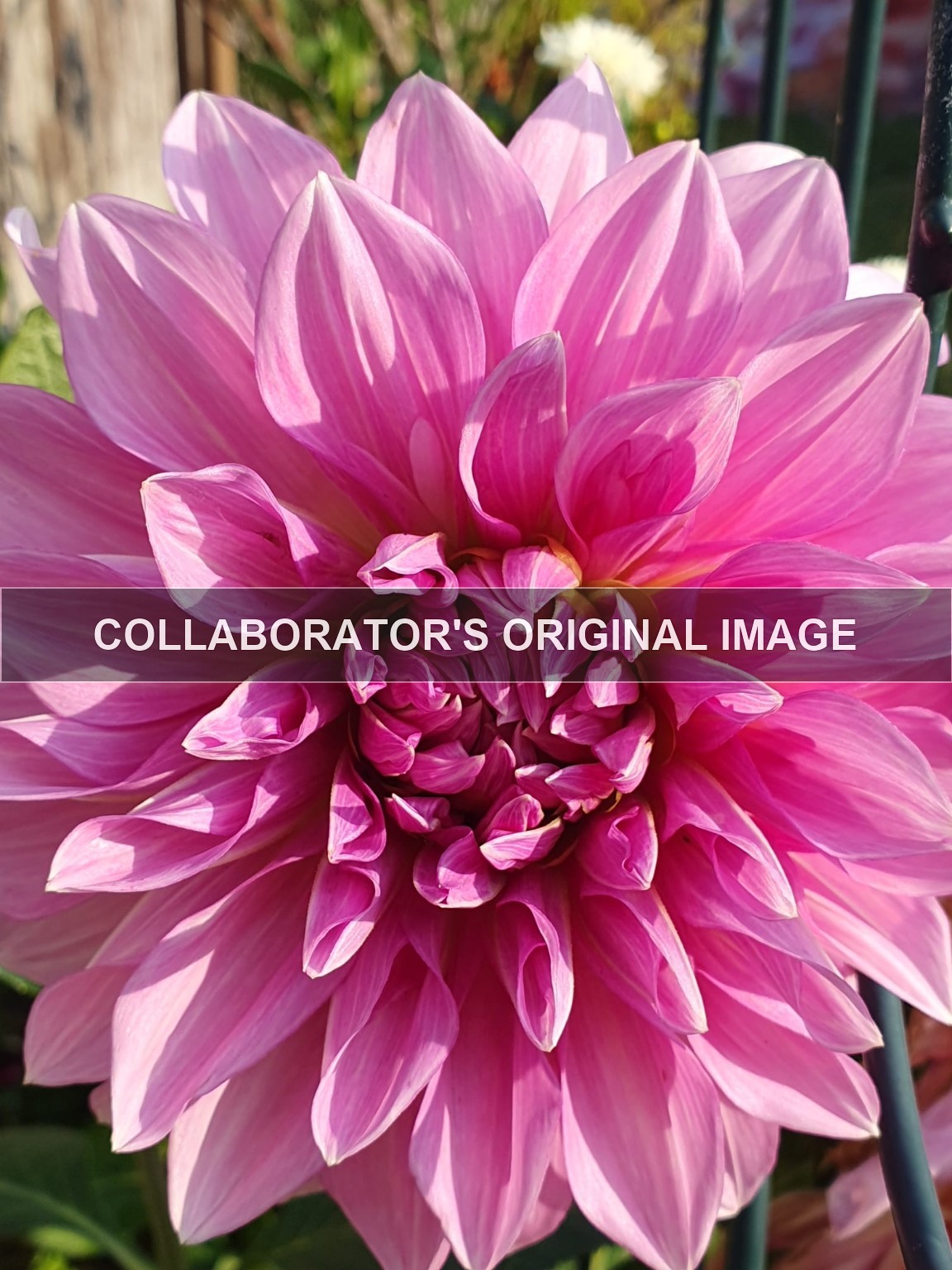
One flower, several creative directions.
Louise began with her own close-up flower photograph. The collaboration explored how its form and colour could become a bright countryside artwork, a playful alternative with a bee and moving petals, and a short animated outcome.
The flower remains the recognisable starting point, while each developed version demonstrates a different mood rather than pretending to be the original photograph.


A creative collaboration does not automatically make a contributor a Second Story Studio commercial partner. Any wider role, credit, usage or commercial arrangement must be agreed separately.
How collaboration works
A conversation first. A clear route second.
We begin by understanding what you have and what matters about it, then agree a realistic direction before any work or cost is committed.
We look
At the object, idea, images, condition, size, purpose and story.
We ask
What matters, what can change, what must stay and what success looks like.
We shape
A realistic route — or explain honestly when Second Story Studio is not the right fit.
An enquiry is not a promise.
Feasibility, materials, sourcing, safety, price and timescale are confirmed before an order or commission is agreed.
Something to show us?
It does not need to be fully formed.
A few useful details and photographs are enough to begin the conversation.
Your material remains yours and stays private to your enquiry.We will not publish or use your images, story or idea in a portfolio, social media or promotion without separate clear approval. See our privacy notice.
Only share material you are entitled to share.Do not send unlawful, sexually explicit or non-consensual intimate material. Suspected criminal or safeguarding material may be preserved and reported to the police or another appropriate authority.